
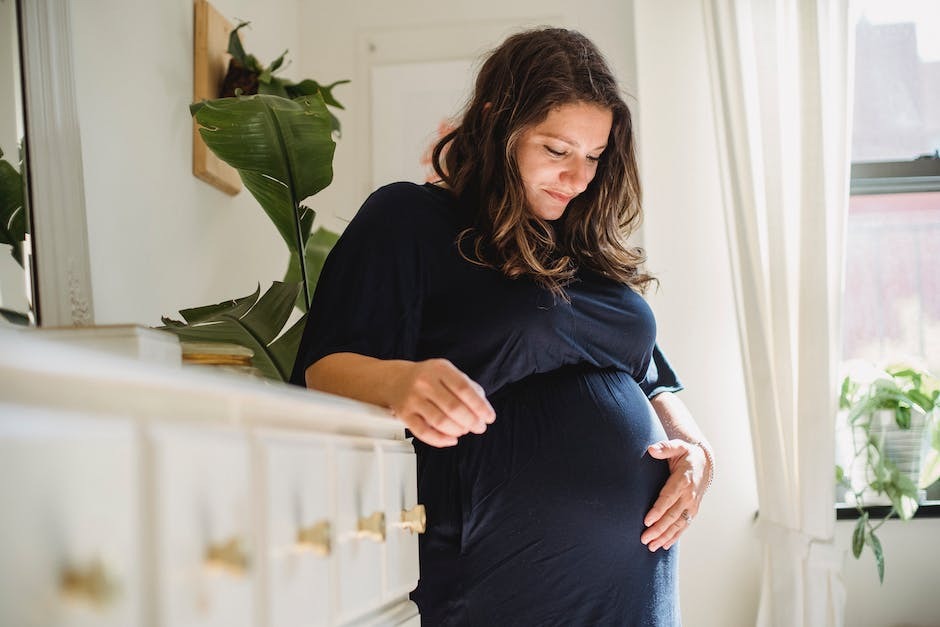

Finding out you’re pregnant while struggling with alcohol or drugs can bring up a flood of emotions: fear for your baby, guilt, worry about being judged, and uncertainty about what to do next. If you’re wondering whether it’s safe to detox while pregnant, the fact that you’re asking shows how much you care about your health and your baby’s.
The most important thing to know is this: please don’t stop suddenly on your own, and please don’t wait to ask for help. The right approach depends on what you’re using, and some substances require a very specific medical plan during pregnancy. This guide explains what leading health organizations recommend and how to take the next step.
Why You Shouldn’t Try to Detox While Pregnant on Your Own
It’s natural to want to quit immediately. But stopping certain substances abruptly can create risks for both you and your baby.
For opioids, the Centers for Disease Control and Prevention (CDC) states that “quickly stopping opioids during pregnancy is not recommended,” and lists possible consequences including preterm labor, fetal distress, and miscarriage.
For alcohol and sedatives such as benzodiazepines, withdrawal itself can be medically dangerous, including the risk of seizures. Our article on alcohol seizures and why medical detox is vital explains these risks in more detail.
That’s why the safest way to detox while pregnant never starts with quitting cold turkey. It starts with talking with a medical provider who can create a plan that protects you both.
Opioids: Why Medication Is Usually Recommended Instead of Trying to Detox While Pregnant
If you’re using opioids such as fentanyl, heroin, or prescription painkillers, you may be surprised to learn that medically supervised withdrawal is generally not the first-choice approach during pregnancy.
According to the CDC, “methadone and buprenorphine are first-line therapy options for pregnant women with OUD,” and current recommendations favor medication for opioid use disorder (MOUD) over supervised withdrawal. The CDC notes that MOUD “has a higher likelihood of better outcomes and a reduced risk of relapse.”
The Substance Abuse and Mental Health Services Administration (SAMHSA) agrees. Its advisory on whole-person care for pregnant women with opioid use disorder states that “buprenorphine and methadone can be safely used in pregnancy to treat OUD” and that “medically supervised withdrawal from medications for OUD during pregnancy is not recommended.”
Some parents worry about their baby experiencing withdrawal after birth. The CDC explains that neonatal abstinence syndrome (NAS) is an expected condition that can follow exposure to MOUD and that “a concern for NAS alone should not deter healthcare providers from prescribing MOUD.” Your care team and your baby’s pediatric team can plan for monitoring and support.
If you’re considering trying to detox while pregnant from opioids, talk with an obstetric provider and an addiction medicine specialist together about whether medication treatment is the safer option for you. To learn more about these medications in general, see our post, What Medications Are Used in MAT?
Alcohol: Can You Detox While Pregnant Safely?
When it comes to alcohol, the CDC is clear: “There is no known safe amount of alcohol use during pregnancy,” and “there is no safe time during pregnancy to drink alcohol.” Alcohol use during pregnancy can cause fetal alcohol spectrum disorders, which involve lifelong behavioral, intellectual, and physical disabilities.
The CDC also offers hope: “It is never too late to stop alcohol use during pregnancy.” If you’re pregnant and can’t stop drinking, the CDC urges you to get help.
But if you’ve been drinking heavily or daily, stopping all at once without medical support can trigger dangerous withdrawal. Medically supervised care can help you detox while pregnant from alcohol as safely as possible, with monitoring for both you and your baby.
Other Substances
Stimulants, cannabis, sedatives, and combinations of substances each carry their own risks during pregnancy. The National Institute on Drug Abuse (NIDA) notes that “treatment for a substance use disorder during pregnancy reduces health risks” and can lower the chances of early delivery and low infant birth weight. If you want to detox while pregnant from stimulants or other drugs, a medical provider can help you weigh the risks and benefits of each option. Whatever you’re using, being honest with a medical provider is the first step toward a safe plan.
Facing Fear and Stigma
Many people who need to detox while pregnant delay getting help because they’re afraid of being judged or worried about what might happen with child welfare services. SAMHSA acknowledges that fear and stigma keep many pregnant women from seeking treatment. NIDA also notes that pregnant women with substance use disorders face challenges including “fear, stigma and access to care.”
You deserve care without shame. Seeking treatment is one of the most protective things you can do for your baby. If shame is holding you back, our article on understanding shame cycles in recovery may help.
Where Can I Get Help to Detox While Pregnant?
Here are some places to start:
- Your obstetric provider or prenatal clinic. Be honest about your substance use so they can coordinate the right care.
- The SAMHSA National Helpline. Call 1-800-662-HELP (4357) for free, confidential treatment referrals 24/7.
- A medical detox or addiction treatment program. Ask specifically about their experience helping people detox while pregnant and how they coordinate with obstetric care.
- Emergency care. If you have seizures, severe confusion, bleeding, severe abdominal pain, or signs of overdose, call 911 right away.
How SoCal Detox Can Help
Whether a particular program, including ours, is the right fit for someone who wants to detox while pregnant depends on your medical needs, how far along you are, and the substances involved. Our admissions team can talk through your situation confidentially, 24/7, and help you think through safe next steps.
Our medical detox program offers 24/7 medical supervision and integrated medical, clinical, and psychiatric care. We’re licensed by the California Department of Health Care Services and accredited by The Joint Commission.
Frequently Asked Questions About Detox While Pregnant
Is it safe to detox while pregnant?
It depends on the substance. For opioids, the CDC and SAMHSA generally recommend medication treatment over supervised withdrawal. For alcohol, stopping is important, but withdrawal should be medically supervised. Always talk with a medical provider first.
Will my baby go through withdrawal?
Some babies exposed to opioids, including MOUD, may experience neonatal abstinence syndrome. The CDC notes this is expected and manageable with monitoring, and it shouldn’t stop providers from prescribing MOUD.
Should I tell my doctor I’m using?
Yes. Honest information helps your care team keep you and your baby safe. If you’re nervous about the conversation, it can help to write down what you’re using, how often, and any questions you have before your appointment.
You Don’t Have to Figure This Out Alone
Choosing to detox while pregnant, or to begin medication treatment, is a brave decision for you and your baby. The key is not to do it alone.
Call SoCal Detox 24/7 at (888) 590-0777 to speak confidentially with our admissions team about your situation, your options, and whether it’s safe for you to detox while pregnant.