

 People throw around the phrase “dopamine addiction” all the time. Social media addiction. Porn addiction. Shopping addiction. Gaming addiction. Even “I’m addicted to my phone” after one too many late-night scroll sessions.
And if you’ve ever felt stuck in that loop of chasing a hit of excitement, relief, or comfort, it can feel very real.
But here’s the honest answer: you’re not technically “addicted to dopamine” the way you can be addicted to alcohol, opioids, or stimulants.
At the same time, it’s also not “all in your head.”
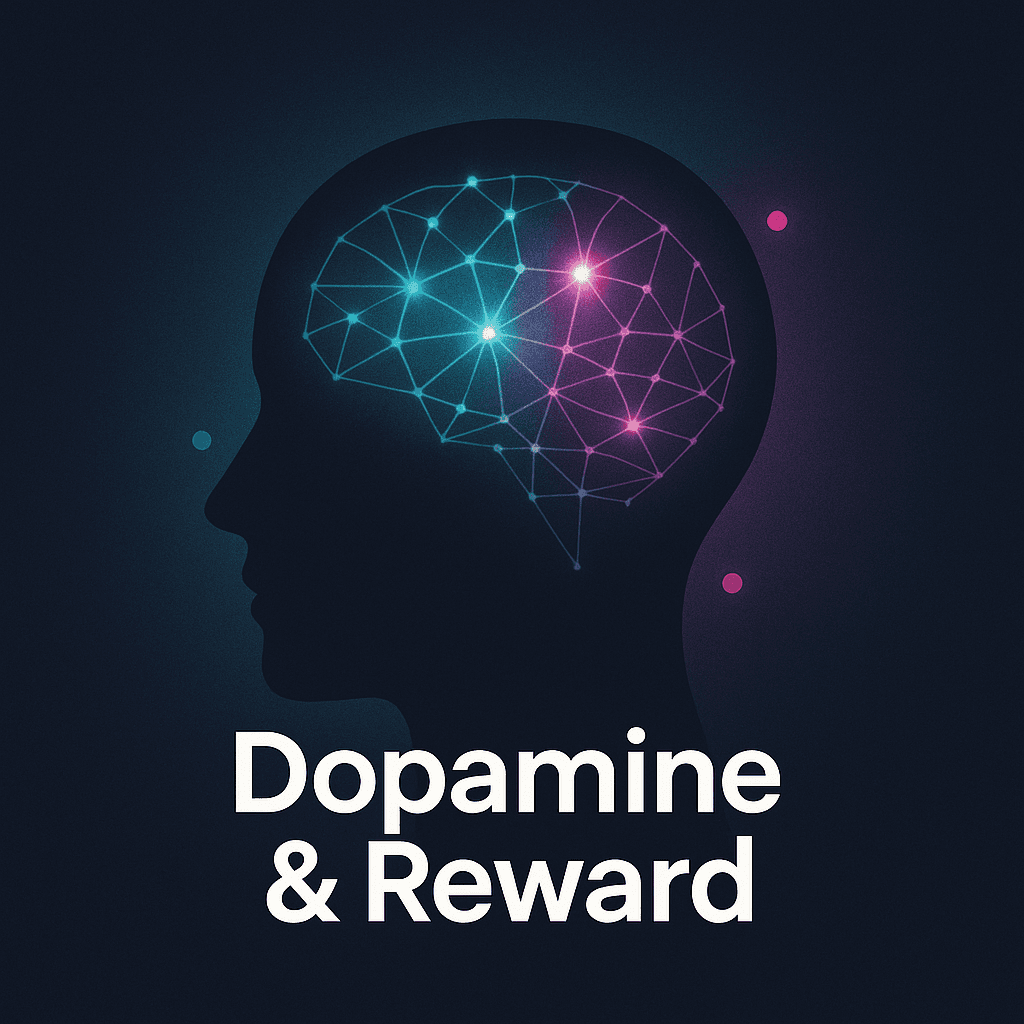
What people usually mean by dopamine addiction is this: your brain’s reward system has learned to crave quick, intense rewards, and it’s started to push you toward those rewards even when they come with consequences. That pattern can absolutely become compulsive, disruptive, and hard to stop without support. This dopamine addiction cycle is something many struggle with.
Let’s break it down in a way that actually makes sense and, more importantly, helps you figure out what to do next.
What dopamine actually does (and what it doesn’t)
Dopamine is a neurotransmitter, basically a chemical messenger your brain uses to communicate. It plays a role in a lot of things, including:
- Motivation (the “go get it” feeling)
- Learning (especially reward-based learning)
- Pleasure and enjoyment (part of the picture, not the whole thing)
- Focus and attention
- Movement and coordination
One of the biggest misconceptions is that dopamine equals pleasure.
Dopamine is more like the drive toward pleasure and reward. It helps your brain tag something as important and worth repeating. It’s part of how you learn: “That felt good. Do it again.”
This is why dopamine is tied to:
- Cravings
- Anticipation
- Habit formation
- Compulsive behaviors
So when someone says “I’m addicted to dopamine,” what they’re often experiencing is a brain that has gotten really good at chasing relief or reward, fast. This understanding of dopamine addiction in the brain can provide some clarity on this issue.
It’s crucial to note that while dopamine plays a significant role in various types of addictions, such as drug addiction, it’s not solely responsible for them.
So… can you be addicted to pleasure and reward?
Not to “pleasure” as a standalone chemical. But you can develop addictions and compulsive patterns that heavily involve dopamine and the brain’s reward circuitry.
Two big buckets matter here:
1) Substance addictions
Alcohol, opioids, benzodiazepines, meth, cocaine, nicotine, and others can strongly affect dopamine signaling, along with other brain systems involved in stress, memory, and self-control. Over time, the brain adapts. This adaptation is a big part of why cravings show up, why tolerance can build, and why stopping can feel so hard. If you’re struggling with prescription drug dependency, taking action to beat addiction is crucial.
2) Behavioral addictions and compulsive behaviors
Some behaviors can also become compulsive in a way that looks and feels like addiction, especially when they’re used to regulate mood or escape discomfort. Common examples include:
- Pornography and compulsive sexual behavior
- Gambling
- Gaming
- Social media and scrolling
- Shopping
- Binge eating or compulsive overeating
Not all of these are officially diagnosed the same way everywhere, but the lived experience can be very similar: loss of control, preoccupation, continued behavior despite harm, and difficulty stopping. It’s important to understand that not all aspects of addiction are negative; there are many misconceptions about addiction, such as the idea that it only affects certain types of people.
And yes, dopamine is involved. But the deeper issue is usually the relationship between reward, stress, coping, and learned habits.
Why “quick hits” are so hard to resist
Your brain is built to conserve energy and seek rewards. In the modern world, we have endless high-reward options that require almost no effort:
- Food delivery
- Short-form videos
- Porn
- Online shopping
- Gambling apps
- Gaming designed around streaks, loot boxes, and rewards
- Constant notifications
These rewards are:
- Fast
- Predictable
- Highly stimulating
- Available 24/7
The more your brain relies on quick hits for relief or comfort, the more everyday life can start to feel dull, stressful, or “not enough.”
Then the cycle often looks like this:
- You feel bored, lonely, anxious, overwhelmed, or restless
- Your brain remembers the shortcut (scroll, drink, smoke, binge, gamble, porn, etc.)
- You get a temporary lift or numbness
- You crash, regret it, or feel worse
- You promise yourself you’ll stop
- The discomfort returns
- The craving hits again
It’s not a character flaw. It’s a learned loop.
Understanding the social aspects of addiction can also provide valuable insights into breaking this cycle.
Moreover, it’s essential to recognize that these patterns aren’t solely individual issues but are often influenced by broader societal factors. For instance,[the impact of social
“Dopamine detox” vs real recovery
You’ve probably seen the idea of a “dopamine detox,” where you cut out stimulating activities for a period of time. Sometimes people do feel better when they reduce constant stimulation. Taking a break from social media, porn, or junk food can be genuinely helpful.
But it’s important to know what a dopamine detox can’t do:
- It doesn’t “reset” dopamine to factory settings overnight
- It doesn’t address underlying mental health issues
- It doesn’t heal trauma, grief, shame, or chronic stress
- It doesn’t teach coping skills for cravings and triggers
- It doesn’t treat substance withdrawal, which can be medically risky
For substance addiction, especially, going “cold turkey” without medical support can be dangerous depending on the substance and your history. For instance, Percocet or Xanax withdrawal can pose serious health risks.
For many people, the goal is not to live a life with zero pleasure. The goal is to stop being controlled by short-term reward loops and rebuild a life that feels stable, meaningful, and actually enjoyable again.
Signs your reward-seeking might be turning into something bigger
Everyone likes comfort. Everyone has habits. The question is whether it’s costing you something and whether you can stop.
Here are some signs the reward loop may be crossing into addiction or a serious compulsive pattern:
- You keep doing it longer than you planned, even when you swear you won’t
- You’ve tried to stop or cut back and can’t stick with it
- You need more intensity or more time to feel the same effect (tolerance)
- It’s affecting your sleep, work, school, health, or relationships
- You hide it, minimize it, or feel ashamed afterward
- You feel irritable, restless, anxious, or low when you can’t do it
- It’s your main way of coping with stress, loneliness, or emotional pain
- You’ve lost interest in things you used to care about
- You feel “flat” or unmotivated without it
If you’re reading that list and quietly thinking, “Yeah… that’s me,” you’re not alone. And you’re not broken. You’re stuck in a pattern that your brain learned for a reason.
Recognizing these signs is the first step towards recovery. It’s crucial to seek professional help for substance abuse recovery, as trying to quit without support can be dangerous and counterproductive.
Incorporating practices such as yoga into your routine can provide beneficial coping mechanisms during recovery. Also focusing on sleep hygiene can significantly improve your overall well-being during this process.
What’s happening in the brain when addiction takes hold (simple version)
Addiction is complicated, but here’s a simple, honest way to understand it:
- Reward system: Your brain learns that a substance or behavior brings relief or pleasure quickly.
- Learning and memory: Cues get linked to the reward. Certain places, times, emotions, people, apps, or routines start triggering cravings automatically.
- Stress system: Over time, not using can feel uncomfortable. Stress chemicals rise. You feel edgy, anxious, or low, which pushes you back toward the habit.
- Self-control system: The part of the brain that helps with planning, impulse control, and decision-making gets compromised under chronic stress and repeated use.
This is why willpower usually isn’t enough. When the brain flags something as essential for survival or relief, it doesn’t negotiate politely. It pushes.
Why some people are more vulnerable than others
Two people can scroll TikTok for hours and only one develops a truly compulsive relationship with it. Same with alcohol or drugs. Vulnerability is usually a mix of factors, like:
- Family history/genetics
- Early exposure to substances
- Trauma or chronic stress
- Anxiety, depression, ADHD, PTSD, or bipolar disorder
- Loneliness and lack of support
- Unstable home environment
- High-pressure work or school demands
- Chronic pain or health issues
- A life that feels empty, stuck, or unsafe
A lot of “dopamine addiction” conversations miss the point that many people aren’t chasing pleasure. They’re chasing relief.
If your nervous system is constantly on edge, a quick reward isn’t just fun. It becomes a form of survival.
This survival instinct often leads individuals down a dangerous path towards substance abuse. For instance, prescription pill addiction can easily turn into heroin addiction, highlighting the perilous nature of dependency on substances.
Moreover, it’s crucial to recognize that addiction can also manifest in relationships. This phenomenon is known as codependency, where individuals may rely heavily on others for emotional support while simultaneously struggling with their own addictive behaviors.
Substances like fentanyl present unique challenges in recognizing and addressing addiction due to their potency and prevalence. It’s important to understand the symptoms of fentanyl addiction, which can be significantly different from other substances.
In such scenarios where traditional methods seem ineffective, exploring alternative treatment options such as mindfulness meditation could provide much-needed relief and aid in recovery.
Furthermore, practicing techniques like the 4-7-8 breathing exercise, which is known to alleviate anxiety and reduce reliance on addictive substances could be beneficial as well.
Substance use and dopamine: why the stakes are higher
With drugs and alcohol, the reward loop can become more intense and more dangerous because substances can:
- Change brain chemistry more forcefully
- Create physical dependence
- Cause withdrawal symptoms
- Increase risk of overdose and medical complications
- Affect judgment and behavior in ways that create immediate harm
Alcohol, opioids, and benzodiazepines are especially important to take seriously because withdrawal can be severe and, in some cases, life-threatening.
If you’re using substances to feel “normal,” to sleep, to calm down, or to get through the day, that’s not something you have to tough out alone.
What healing actually looks like (without the fluff)
Recovery isn’t about becoming a robot who never craves anything. It’s about rebuilding your ability to choose.
Here are the building blocks that tend to make the biggest difference.
Build awareness of the loop (without shame)
Start getting curious about:
- When do cravings hit?
- What emotions come right before?
- What’s the payoff (numbing, excitement, escape, comfort)?
- What’s the cost afterward?
No beating yourself up. Just data.
Replace the reward, not just remove it
If you take away the thing that soothes you and you don’t add anything back, your brain will panic.
Healthier “rewards” can include:
- Movement (walks, stretching, weights, swimming)
- Real connection (support groups, therapy, honest friendships)
- Nourishing food and hydration
- Sleep routines
- Creative outlets
- Breathwork, grounding, mindfulness practices
- Sunlight and time outdoors
- Structured daily schedule
Not because these are trendy, but because your brain needs alternative sources of relief and regulation.
Learn skills for cravings
Cravings come in waves. They rise, peak, and fall. Skills that help:
- Delay tactics (“I’ll wait 15 minutes”)
- Urge surfing (observing the craving without acting on it)
- Changing your environment quickly (leave the room, put the phone away, go outside)
- Calling someone before you act, not after
- Eating and sleeping consistently (low blood sugar and exhaustion can crank cravings up)
Address what the behavior is protecting you from
This is the part people skip, and it’s usually the part that matters most.
If you’re using a substance or behavior to cope with anxiety, depression, trauma, grief, relationship pain, or burnout, the goal isn’t just stopping. It’s getting support for the pain underneath.
That’s where therapy, holistic care, and a solid treatment plan can change everything. Group therapy can be particularly effective in providing this support.
What if you feel “emotionally numb” without the habit?
This is more common than people realize.
When you’ve been relying on intense stimulation for a long time, normal life can feel muted at first. People describe it as:
- “Nothing feels fun anymore.”
- “I feel flat.”
- “I’m bored all the time.”
- “I don’t know what I even like.”
This can improve, but it may take time and support. Think of it like physical therapy after an injury. You’re rebuilding sensitivity, joy, and motivation gradually, not instantly.
If you’re detoxing from substances, there can also be a period where mood, sleep, and motivation feel off as your body stabilizes. That’s another reason doing this with professional support can be safer and less overwhelming.
If you’re concerned about a loved one who might be struggling with addiction, it’s crucial to recognize the signs your spouse may have an addiction. Understanding these signs can help you provide better support and encourage them to seek professional help.
When it’s time to consider detox or treatment
If any of these are true, it may be time to get real help, not just try another self-improvement plan:
- You’re worried about withdrawal
- You’re hiding how much you use
- You’ve had scary moments (blackouts, risky behavior, near-overdose)
- You’ve tried to stop and keep going back
- Your mental health is getting worse
- Your relationships or work are taking hits
- You’re using just to feel okay
Getting help is not a sign that you failed. It’s a sign you’re done doing this alone.
A gentle word for family members and loved ones
If you’re reading this because you’re worried about someone you love, it’s easy to feel angry, confused, or helpless.
Try to remember: compulsive reward-seeking is often about pain, not pleasure. Your loved one may be battling shame, fear, or a nervous system that’s stuck in survival mode. Boundaries still matter, but compassion matters too.
Support that’s structured, professional, and consistent can be the difference between “white-knuckling it” and real recovery.
How we help at SoCal Detox
At SoCal Detox, we take “dopamine addiction” seriously for what it often represents: a brain and body that have been pushed past their limits, and a person who deserves real care, not judgment.
We offer various types of treatment for addiction, including detox and treatment for drug addiction. We also provide specialized programs like methadone for addiction treatment and opioid addiction treatment.
As a holistic drug and alcohol detox and residential treatment center in Laguna Beach, we serve individuals throughout Southern California with personalized, compassionate support in a peaceful coastal setting. If you’re dealing with substance use, cravings, or compulsive patterns that are starting to scare you—such as love addiction symptoms—we’ll meet you where you are and help you figure out the safest next step.
If you’re ready to talk, reach out to SoCal Detox today. Even a quick, private conversation can bring a lot of clarity, and it can be the first step toward feeling like yourself again.
FAQs (Frequently Asked Questions)
What does ‘dopamine addiction’ really mean?
‘Dopamine addiction’ refers to the brain’s reward system learning to crave quick, intense rewards, pushing you toward those rewards even when they have negative consequences. It’s not a technical addiction like with alcohol or drugs but can become compulsive, disruptive, and hard to stop without support.
What role does dopamine play in addiction and behavior?
Dopamine is a neurotransmitter involved in motivation, reward-based learning, pleasure, focus, and movement. It drives the pursuit of pleasure and reward by tagging experiences as important to repeat. This makes it central to cravings, anticipation, habit formation, and compulsive behaviors associated with various addictions.
Can someone be addicted to pleasure or dopamine itself?
You can’t be addicted to dopamine or pleasure as standalone chemicals. However, you can develop addictions and compulsive patterns involving dopamine and the brain’s reward circuitry, such as substance addictions (alcohol, opioids) and behavioral addictions (pornography, gambling, social media).
What are common behavioral addictions linked to dopamine?
Behavioral addictions that involve dopamine-driven reward circuits include pornography and compulsive sexual behavior, gambling, gaming, social media scrolling, shopping, and binge eating. These behaviors can cause loss of control, preoccupation, continued use despite harm, and difficulty stopping.
Why are ‘quick hits’ of reward so hard for the brain to resist?
The brain seeks to conserve energy and pursue rewards efficiently. Modern quick-reward options like food delivery, short videos, online shopping, gambling apps provide fast, predictable, highly stimulating rewards available 24/7. This leads the brain to rely on these shortcuts for relief or comfort, making everyday life feel dull or stressful in comparison.
How does the cycle of dopamine-driven addictive behavior typically progress?
The cycle often starts with feelings like boredom or anxiety; then the brain recalls a shortcut behavior (scrolling social media, drinking, gambling) that provides temporary relief or numbness. Afterward comes a crash or regret phase followed by promises to stop — which often leads back into the cycle without proper support or intervention.