
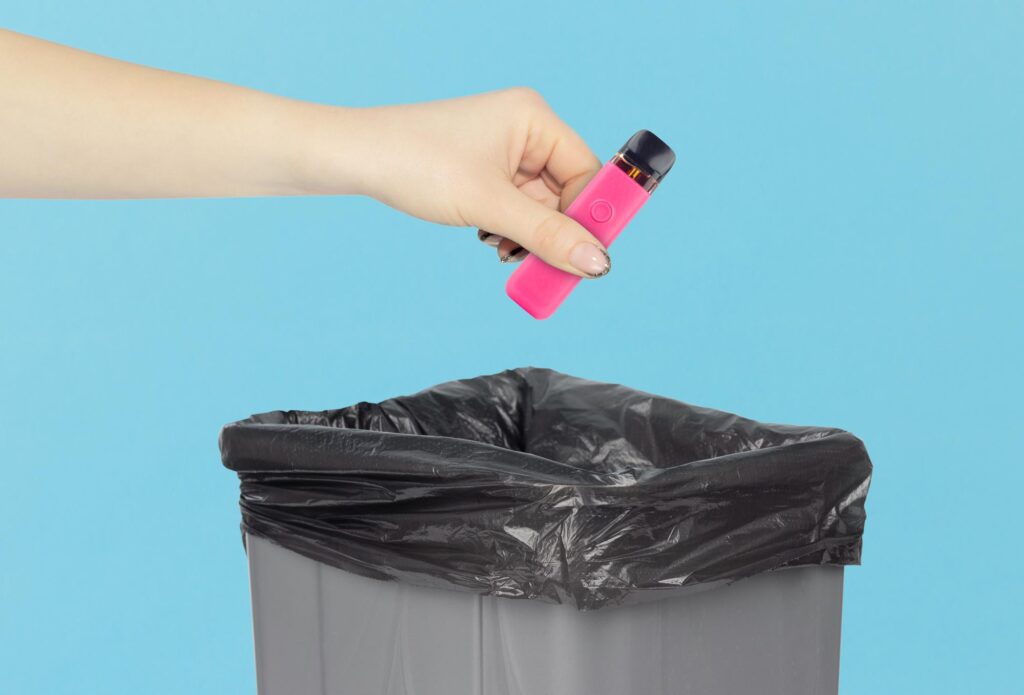

Yes — vaping can absolutely lead to genuine nicotine addiction, even though it’s often perceived as a safer or less serious habit than smoking cigarettes. The device and the flavors may feel different, but the addictive mechanism underneath is largely the same one that has driven cigarette addiction for generations.
Nicotine Is the Addictive Ingredient — And Vapes Deliver a Lot of It
According to the National Institute on Drug Abuse, nicotine in e-cigarettes is highly addictive and activates the brain’s reward system by increasing dopamine, reinforcing the behavior every time it’s repeated. NIDA also notes that many people, teens especially, underestimate how much nicotine their vaping device actually contains, sometimes mistakenly believing certain products are flavoring only.
Why Vaping Can Be Even Easier to Get Hooked On Than Cigarettes
Vapes are discreet, come in a wide range of flavors, and can be used more frequently throughout the day than a cigarette without drawing the same attention. That convenience cuts both ways: it can make nicotine use feel casual and low-stakes, even as regular use builds the same physical dependence associated with traditional smoking.
Vaping and the Risk of Other Substance Use
One additional concern raised by NIDA is that nicotine can prime the brain’s reward system in ways that increase susceptibility to addiction involving other substances. In other words, regular nicotine use doesn’t just create its own dependence — it may also make the brain more responsive to the rewarding effects of alcohol or other drugs down the line. This is part of why nicotine addiction deserves to be taken seriously on its own terms, rather than dismissed as a minor habit compared to “real” drug use.
Signs Vaping Has Become an Addiction, Not Just a Habit
A habit becomes an addiction when it starts to take on a life of its own: needing to vape immediately after waking up, feeling irritable or anxious when you go too long without it, using more than you intend to, unsuccessfully trying to cut back, and continuing to vape despite knowing it’s causing health problems or costing more money than you’d like to admit. None of these signs mean something is fundamentally wrong with a person — they mean nicotine dependence has taken hold, and it usually takes more than willpower to reverse.
How Nicotine Dependence Builds Over Time
Dependence typically develops gradually rather than all at once. Early on, a person might vape only in specific situations — socially, or during a stressful moment — without thinking much about it. Over time, the brain adapts to regular nicotine exposure, and what used to feel optional starts to feel necessary just to feel normal. This is tolerance: needing more nicotine, or more frequent use, to get the same effect that a smaller amount used to provide. Once tolerance sets in, stopping doesn’t just remove a habit, it triggers actual withdrawal, which is a clear sign the brain has adapted to expect a steady supply of nicotine.
Health Risks Beyond Addiction
Addiction isn’t the only concern. NIDA notes that vapor from e-cigarettes can contain known carcinogens and toxic chemicals, along with metal nanoparticles from device heating coils, including nickel, chromium, and cadmium, which can cause breathing problems over time. For teens and young adults, nicotine also affects the ongoing development of brain circuits involved in attention, learning, and impulse control.
What Nicotine Withdrawal Feels Like
When someone tries to quit, Smokefree.gov describes common withdrawal symptoms including irritability, restlessness, intense cravings, headaches, low mood, trouble concentrating, sleep problems, and increased hunger. The good news is that the worst of these symptoms typically last only a few days to a couple of weeks, and they do fade as the body adjusts to being nicotine-free.
Quitting Vaping Often Takes More Than Willpower
The CDC recommends combining counseling with medication for the best chance at quitting successfully, along with free resources like the 1-800-QUIT-NOW hotline and text-based support programs. We’ve put together a more detailed guide on how to quit vaping, covering the biology of nicotine cravings, coping strategies, and nicotine replacement options in more depth.
Why Marketing Makes This Harder to Recognize
Part of what makes vaping addiction easy to overlook is how the products themselves are marketed and perceived. Sleek devices, fruit and dessert flavors, and a reputation as a “lighter” alternative to cigarettes all contribute to a sense that vaping is a low-stakes habit rather than a genuine nicotine delivery system. That perception can delay someone from recognizing dependence in themselves, since the mental image of “addiction” for most people still looks like a pack-a-day cigarette habit rather than a sleek device charged next to their phone.
When Vaping Is Part of a Larger Pattern
Nicotine use frequently co-occurs with alcohol or other substance use, and people working through recovery from other substances often find that nicotine dependence is harder to ignore once other habits are addressed. While nicotine cessation isn’t SoCal Detox’s primary specialty, our clinical team can talk through how vaping fits into your broader picture during a confidential intake conversation, especially if it’s occurring alongside drug or alcohol use. If you’re already considering treatment for another substance, a quick insurance check can help you understand what comprehensive care, including support for co-occurring nicotine use, might look like.
What Helps Beyond Willpower
People who successfully quit vaping typically combine a few things: identifying and planning around personal triggers (stress, certain social situations, or specific times of day), nicotine replacement options like patches or gum if recommended by a doctor, and some form of accountability, whether that’s a quit coach, a support group, or simply telling friends and family so they can check in. Trying to rely purely on willpower in the moment a craving hits is one of the most common reasons quit attempts don’t stick — cravings are strongest and hardest to resist without a plan already in place before they show up.
Frequently Asked Questions
Is vaping safer than smoking cigarettes?
Vaping may expose users to fewer of certain combustion byproducts than cigarettes, but it is not risk-free, and the nicotine addiction potential is comparable. It is not considered a safe habit.
Can teenagers really get addicted to vaping?
Yes. Adolescent brains are especially sensitive to nicotine, and research has shown teens who vape are significantly more likely to go on to use traditional cigarettes.
Do I need professional help to quit vaping, or can I do it alone?
Some people quit on their own, but research shows combining counseling and medication produces the best outcomes. There’s no downside to using available support.
Does SoCal Detox treat nicotine addiction specifically?
Our core programs focus on drug and alcohol detox, but our clinical team can address nicotine use as part of a broader treatment conversation, particularly when it occurs alongside other substance use.
Talk to Someone About Your Vaping Habit
Recognizing that a habit has turned into a dependence is the hardest part. If vaping, or vaping alongside other substance use, feels harder to control than it used to, SoCal Detox’s team is available 24/7 at (888) 590-0777 to talk through your options.