
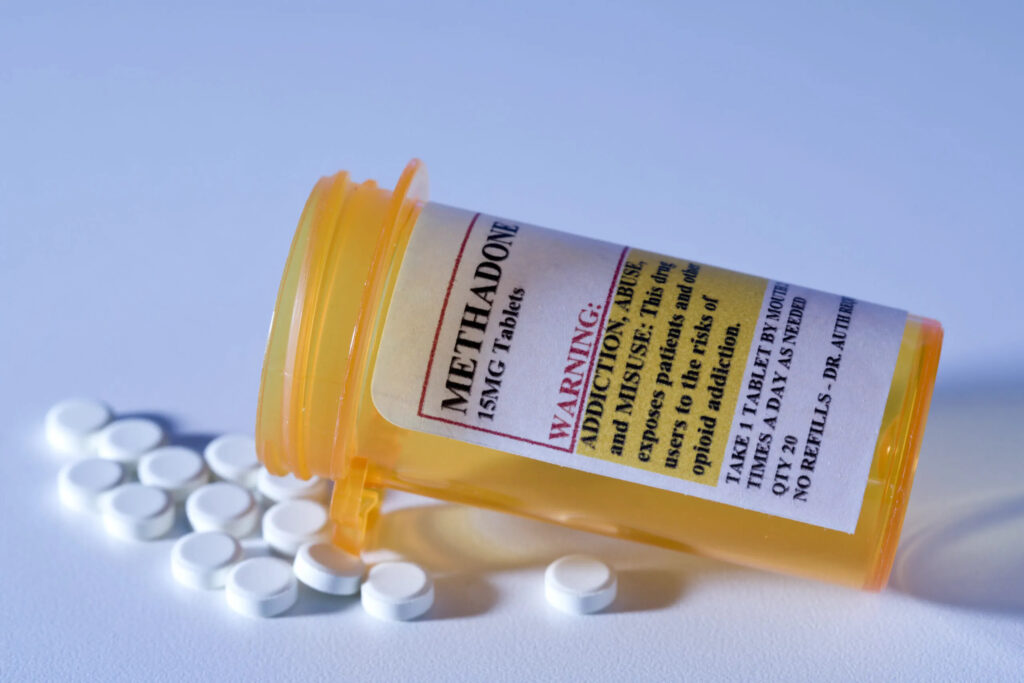

Methadone vs Suboxone: the simple differences that matter most
If you’re trying to choose between methadone and Suboxone, you don’t need a medical degree. You just need the few key differences that actually change how treatment feels day to day, and how safe it is for you.
What methadone is (in plain language)
Methadone is a long-acting, full opioid agonist. “Full agonist” simply means it fully turns on the opioid receptors in your brain, similar to other opioids, but in a controlled, steady way when it’s properly prescribed. You can read more about what methadone is here.
What that does in real life:
- Strong withdrawal relief
- Strong craving reduction
- Long duration, so people can stabilize without constantly cycling into withdrawal
- Typically dispensed through licensed opioid treatment programs (OTPs), often with daily clinic dosing at first
Because it’s a full agonist, methadone can be a really solid fit for people with very high tolerance or long, severe opioid dependence. It can also carry more risk if it’s misused or mixed with other sedating substances, which we’ll talk about below.
What Suboxone is (and why it’s different)
Suboxone is a combo medication: buprenorphine + naloxone.
- Buprenorphine is a partial opioid agonist. It turns on the opioid receptors, but only partway.
- Naloxone is an opioid blocker included mainly as a misuse deterrent (it’s there to discourage injecting or tampering). When taken as prescribed (under the tongue or inside the cheek), the naloxone component has minimal effect for most people.
Suboxone is often prescribed in an office-based setting (like a doctor’s office, telehealth, or outpatient clinic), which can make it more accessible and flexible for many people.
For those considering methadone treatment as an option for opioid addiction, it’s important to note that methadone clinics can be effective when used correctly.
The “ceiling effect” with buprenorphine (why Suboxone can be safer)
Buprenorphine has what’s called a ceiling effect, especially for respiratory depression (slowed breathing). After a certain dose, taking more buprenorphine doesn’t keep increasing the opioid effect the same way full agonists do.
Why that matters:
- It generally lowers overdose risk compared to full opioid agonists.
- It can be a safer option, especially for people with certain risk factors.
The tradeoff is that some people with very high tolerance (especially with fentanyl in the picture) may feel:
- “It’s not strong enough,” or
- “I’m still uncomfortable,” especially if induction isn’t done carefully.
That doesn’t mean Suboxone can’t work. It often can. It just means the starting process and dosing plan really matter.
How each medication interacts with receptors (simple version)
Think of opioid receptors like locks, and medications like keys.
- Methadone is like a key that opens the lock fully and keeps it open steadily when dosed correctly. That’s why it can feel more “powerful” for cravings and withdrawal.
- Buprenorphine (Suboxone) is like a key that opens the lock partway, but it also holds onto the lock tightly. That tight grip can help block other opioids from attaching, which can reduce the “reward” if someone uses on top of it.
This is why:
- Methadone may give more complete relief for some people with severe dependence.
- Suboxone can provide strong stabilization with a better safety margin, but it needs the right induction approach.
How each medication feels in real life (cravings, energy, sleep, mood)
People often ask, “Which one feels better?” The honest answer is: it depends on your body, your tolerance, your opioid history (especially fentanyl), and whether the medication is started the right way.
Cravings and withdrawal control
- Methadone is often experienced as more robust for withdrawal and cravings, particularly for people with long-term heavy opioid use or high tolerance.
- Suboxone is strong enough for many people, but the induction has to be done correctly. If it’s started too soon after certain opioids (especially fentanyl), it can trigger precipitated withdrawal, which feels sudden and intense.
If Suboxone has felt “impossible” in the past, that may not mean it’s off the table forever. It may mean you need a safer, more individualized plan.
Daily functioning (work, family, getting your life back)
Early on, both medications can come with an adjustment period.
- Methadone: Some people feel sleepy or foggy at first, especially as the dose is being dialed in. Once stabilized, many people report feeling normal and steady, able to work, show up for family, and stop chasing relief.
- Suboxone: Many people feel clear-headed once the dose is right. Others feel a little flat at first, then improve as sleep and routine stabilize.
One thing we remind people a lot: early sedation or low energy doesn’t mean you’re doing it wrong. It often means your nervous system is finally trying to regulate after being in survival mode for a long time.
Sleep and mood (and why we take it seriously)
Sleep can be weird in early recovery, even with medication. You might notice:
- Vivid dreams
- Early waking
- Trouble falling asleep
- Mood swings that feel out of character
That doesn’t mean you’re broken. It means your brain is recalibrating.
It’s also important to monitor:
- Depression
- Anxiety
- PTSD or trauma symptoms
Medication for opioid use disorder can be life-saving, but it’s not meant to carry your whole recovery alone. If your mood is crashing or anxiety is spiking, that’s not something to white-knuckle. It’s something to treat.
Stigma and self-talk (the quiet battle people don’t talk about)
A lot of people quietly carry thoughts like:
- “Am I really sober if I’m on methadone or Suboxone?”
- “People will judge me.”
- “I should be able to do it without meds.”
Here’s the gentler truth: stability is the goal. Safety is the goal. Being alive long enough to heal is the goal.
Recovery isn’t about earning suffering points. It’s about getting your life back.
Safety and overdose risk: especially important with fentanyl
Fentanyl changed the landscape. Even people who “know their limits” can get caught off guard, because the supply is unpredictable.
Why fentanyl raises overdose risk
Fentanyl is a drug that is extremely potent, often mixed unpredictably into other drugs, and sometimes stored in body tissues and released over time, which can complicate withdrawal timing and induction.
This is one reason people can feel blindsided when trying to detox or start Suboxone on their own. What worked years ago might not work the same way now.
Comparing safety: methadone vs Suboxone
- Methadone, when taken exactly as prescribed and monitored, can be very safe. However, it has a higher overdose risk if misused or if doses stack during the early stabilization phase.
- Suboxone generally has a lower risk of respiratory depression because of the ceiling effect, making it a safer option in many situations.
That said, “safer” doesn’t mean “risk-free.” It still needs medical oversight, honest communication, and a plan that matches your actual use patterns.
Mixing risks for both (this part is huge)
The biggest danger we see is mixing opioids or MAT with other sedating substances, especially:
- Alcohol
- Benzodiazepines (Xanax, Valium, Ativan, Klonopin)
- Gabapentin
- Sleep meds and other sedatives
Combining these can increase sedation and suppress breathing. If there’s one “please don’t lie to your treatment team” topic, it’s this. We’re not here to punish you. We’re here to keep you alive.
Naloxone access and overdose prevention planning
Whether you’re on methadone, Suboxone, or still deciding, we strongly encourage:
- Naloxone (Narcan) access
- A simple overdose prevention plan
- Making sure at least one person around you knows what to do in an emergency
With fentanyl, waiting can be riskier than people realize. Safety planning is part of care, not an afterthought.
Which is better: methadone or Suboxone? Use these decision factors
The best medication is the one you can stay on safely, consistently, and long enough to build a real life around it.
When methadone may be a better fit
Methadone can be a strong option if you’re dealing with:
- Very high opioid tolerance, including fentanyl
- Repeated difficulty stabilizing on Suboxone
- Severe cravings that continue despite appropriate buprenorphine dosing
- A need for daily structure and accountability (clinic routine can be protective for some people)
- A history where a more potent full agonist approach has worked better
For some people, that daily clinic visit is a burden. For others, it’s exactly what keeps them anchored during a vulnerable season.
When Suboxone may be a better fit
Suboxone can be a great option if you:
- Prefer a lower overdose risk profile
- Need flexibility for work, school, or family
- Have stable housing and can manage medication responsibly
- Have less severe tolerance, or you’ve done well on buprenorphine in the past
- Want to avoid daily clinic visits and do treatment in an office-based setting
Suboxone can also make long-term recovery logistics simpler for many people, especially after that early stabilization period.
Your history matters more than opinions online
When we help someone think this through, we look at real-world details like:
- What you’ve tried before (and what happened)
- How consistent you can be with dosing and appointments
- Any past issues with diversion or lost meds (no shame, just planning)
- Whether alcohol or benzos are involved
- Co-occurring mental health needs that may affect stability
A quick values check (30/90 days)
Try asking yourself:
- In 30 days, do I need structure or flexibility?
- In 90 days, what does “stable” look like for me?
- What’s most likely to keep me safe while I rebuild: daily support, or more independence?
There’s no perfect answer. There’s only the most realistic next step.
What treatment looks like beyond medication (the part that makes it stick)
Medication can quiet the chaos. But the deeper healing usually comes from what you build around it.
Why medication plus therapy/support tends to work best
MAT can reduce withdrawal and cravings, which gives you space to finally work on:
- Coping skills for stress and triggers
- Relapse prevention planning
- Emotional regulation and nervous system healing
- Trauma support (because a lot of opioid use starts as pain management, emotional or physical)
This is the part where recovery becomes more than “not using.” It becomes learning how to live without constantly needing relief.
Holistic pieces that support stabilization
We’re big believers in simple, repeatable basics that help your body feel safe again:
- Sleep support and a realistic routine
- Nutrition and hydration (withdrawal can drain you)
- Movement, even gentle walks
- Mindfulness or grounding skills that don’t feel cheesy
- Family support and healthier communication
- Case management for practical stuff like work, legal, or housing needs
When your body is more regulated, your cravings usually get quieter too.
Triggers in Orange County and SoCal (without the stereotypes)
SoCal can be beautiful, and it can also be isolating. Triggers can show up as:
- Social scenes where substances are normal
- Pressure to look “fine” even when you’re struggling
- Stress, traffic, work intensity, and burnout
- Loneliness, even when you’re surrounded by people
We focus on building a plan that fits your real environment, not an ideal one.
Relapse is a risk, not a moral failure
If relapse happens, it’s information. It means something in the plan needs more support:
- More structure
- Different medication strategy
- Stronger mental health care
- Better boundaries
- More honest accountability
Shame doesn’t prevent relapse. Support does.
Finding fentanyl detox and opioid addiction treatment in Orange County (what to look for)
If you’re searching “fentanyl detox near me,” you deserve more than a quick fix. Detox is important, but detox alone often isn’t enough.
What good fentanyl detox should include
Look for programs that offer:
- 24/7 clinical monitoring
- Thoughtful withdrawal management (comfort meds when appropriate)
- A real overdose prevention plan
- A clear transition to MAT options (not a “detox-only” mindset)
- A plan for what happens next, not just discharge paperwork
Red flags to watch for
Be cautious if you hear things like:
- “We don’t really do aftercare, you’ll figure it out”
- One-size-fits-all detox timelines
- Vague answers about medical staffing
- No plan for MAT, mental health, or step-down levels of care
You’re allowed to ask direct questions. A good program won’t get defensive.
For those considering methadone detox, it’s crucial to know that there are options available. While some may ponder if it’s possible to detox from methadone at home, it’s generally recommended to seek professional help for a safer and more effective recovery process.
What good continuity actually looks like
The strongest outcomes usually come from a clear path like: Detox → residential or IOP → outpatient + MAT provider + support network
That can sound like a lot, but it’s really just a safety net with fewer gaps to fall through.
Questions worth asking before you commit
- How do you handle Suboxone induction for fentanyl specifically?
- Do you offer methadone coordination if that’s the better fit?
- What comfort meds do you use, and how do you monitor symptoms?
- How do you treat anxiety, depression, and trauma alongside opioids?
- What does discharge planning look like, and who helps set it up?
If the answers feel rushed or unclear, keep looking.
Call us to talk through methadone vs Suboxone and find the safest next step
If you’re trying to decide between methadone and Suboxone, you don’t have to figure it out alone, and you definitely don’t have to guess while fentanyl is in the mix.
At SoCal Detox, we’ll talk with you confidentially, listen to what’s actually been going on, and help you map out the safest next step, whether that’s detox, MAT coordination, residential treatment, or a step-down plan that fits your life. We’re located in Laguna Beach and support individuals and families across Orange County and Southern California with personalized, compassionate care.
If you’re ready, call us today or request an intake. Waiting is riskier than it used to be, and getting support now can change everything.
FAQs (Frequently Asked Questions)
What is the main difference between methadone and Suboxone in opioid addiction treatment?
Methadone is a long-acting, full opioid agonist that fully activates opioid receptors, providing strong withdrawal relief and craving reduction, especially for people with high tolerance or severe dependence. Suboxone contains buprenorphine (a partial opioid agonist) and naloxone (an opioid blocker), partially activating receptors with a ceiling effect that lowers overdose risk, making it safer and often more accessible through office-based settings.
Why might methadone be preferred for individuals with severe opioid dependence?
Methadone fully activates opioid receptors, offering robust withdrawal relief and craving control, which benefits those with very high tolerance or long-term heavy opioid use. Its long duration allows stabilization without frequent withdrawal cycles, making it effective for severe dependence when properly dosed in licensed opioid treatment programs.
How does Suboxone’s ‘ceiling effect’ impact its safety compared to methadone?
Suboxone’s buprenorphine component has a ceiling effect on respiratory depression, meaning beyond a certain dose, increased amounts don’t intensify opioid effects as full agonists do. This property generally lowers overdose risk compared to methadone, making Suboxone a safer option for many patients, especially those with specific risk factors.
What are the challenges of starting Suboxone treatment, especially with fentanyl use?
Starting Suboxone too soon after using opioids like fentanyl can trigger precipitated withdrawal—a sudden and intense withdrawal reaction—due to buprenorphine’s partial receptor activation displacing full agonists. Proper induction timing and individualized plans are essential to avoid this and improve treatment success.
How do methadone and Suboxone differ in daily functioning effects such as energy, sleep, and mood?
Methadone may cause sleepiness or fogginess initially as doses are adjusted but often leads to a steady state where individuals feel normal and can engage in work and family life. Suboxone users often experience fewer side effects early on but require careful induction to manage cravings and mood effectively.
Where can methadone and Suboxone treatments typically be accessed?
Methadone is usually dispensed through licensed opioid treatment programs (OTPs) with daily clinic dosing at first. In contrast, Suboxone is often prescribed in office-based settings like doctor’s offices, telehealth services, or outpatient clinics, offering greater accessibility and flexibility for many patients.